In today’s digital world, having a strong online presence is essential for any business or individual. Whether you are running an online store, managing a personal portfolio, or representing a brand, your website plays a major role in shaping your digital identity. When building a website, two important terms often come up — web design and web development. Though these terms are sometimes used interchangeably, they refer to very different processes. Understanding the difference between web design and web development helps you build better websites, hire the right professionals, and make smarter business decisions.
Table of Contents
ToggleWhat Is Web Design?
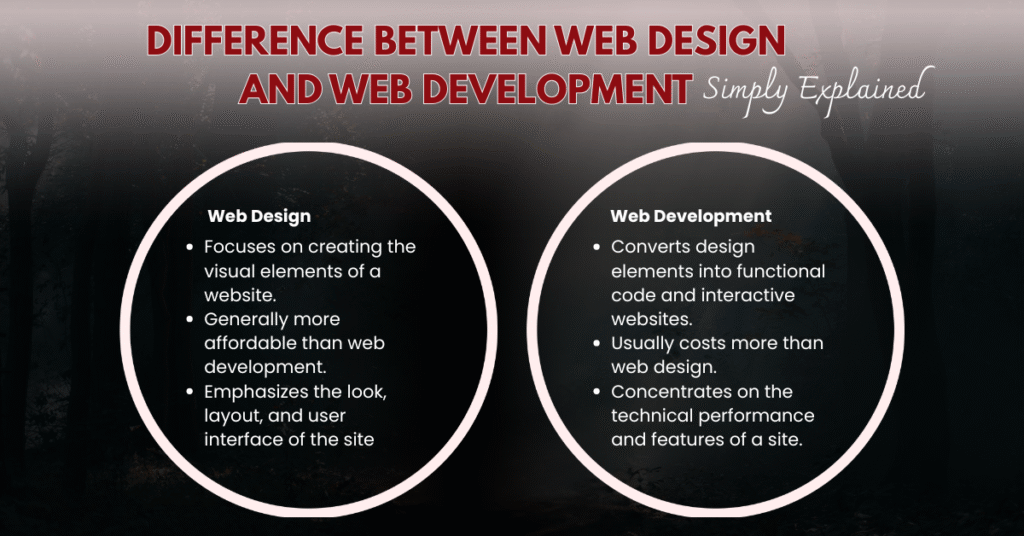
Web design is the creative process of planning and arranging visual elements on a website. It focuses on how a website looks and how users interact with it. A web designer’s main goal is to create an attractive, user-friendly interface that provides a smooth browsing experience. This includes working on layout, colors, typography, imagery, and navigation flow.
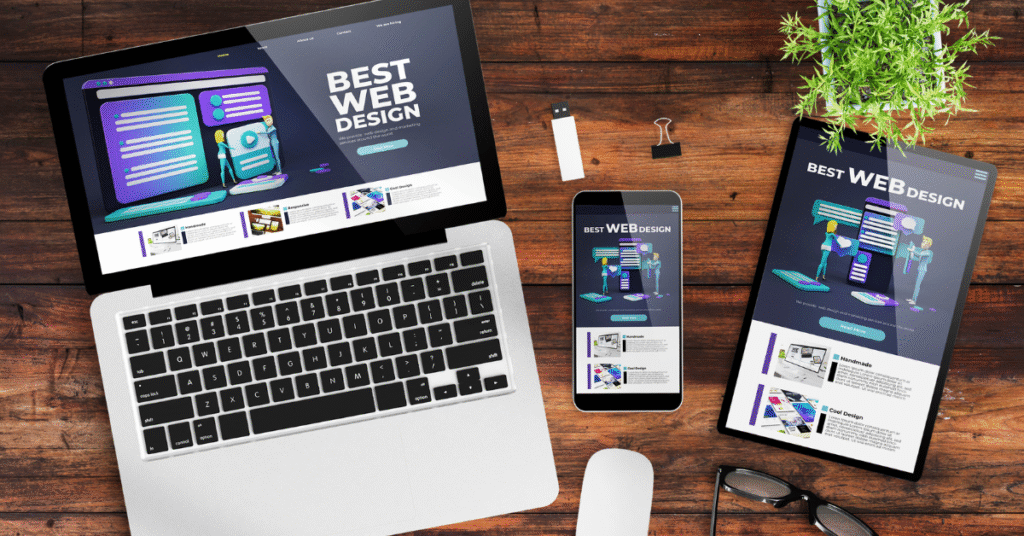
Modern web design goes beyond aesthetics; it also involves UI (User Interface) and UX (User Experience) principles. UI design deals with the visual details like buttons, icons, and menus, while UX design focuses on user behavior and the ease of navigation. A good web designer ensures that the website feels intuitive and responsive on every device.
To achieve this, designers use tools such as Figma, Adobe XD, and Sketch to create mockups and prototypes before developers begin coding. In short, web design combines creativity and strategy to ensure that a website looks professional and delivers a pleasant experience for visitors.
What Is Web Development?
While web design determines how a website looks, web development determines how it works. It’s the technical process of coding and programming that turns a static design into a functional website. Web developers are responsible for making sure everything — from contact forms to shopping carts — works perfectly.
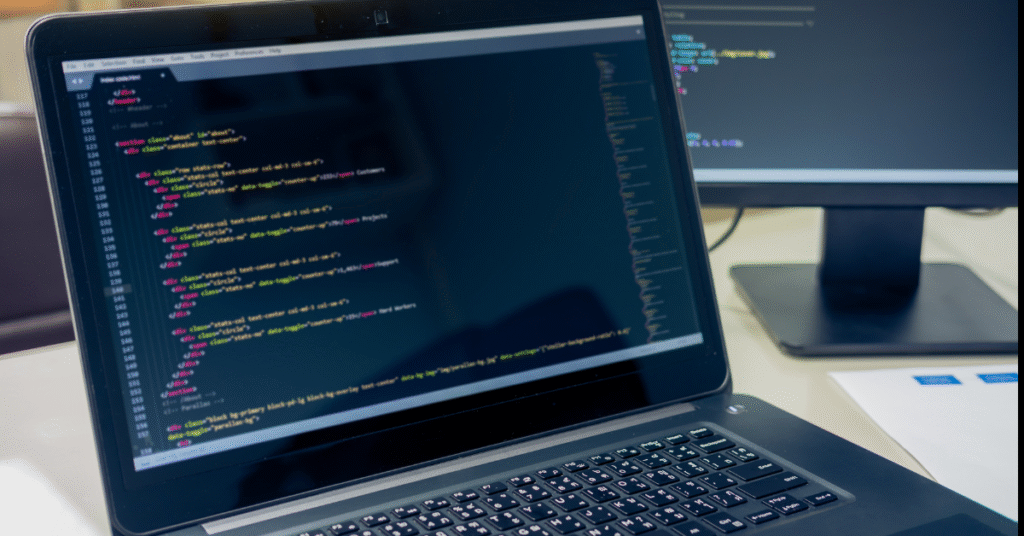
Web development is usually divided into two parts: frontend and backend. Frontend development focuses on what users see on the screen. It involves coding in languages like HTML, CSS, and JavaScript to build layouts and interactivity. Backend development, on the other hand, handles what happens behind the scenes — managing servers, databases, and website logic using languages like PHP, Python, or Node.js.
Some professionals, known as full-stack developers, are skilled in both frontend and backend development. They can build complete websites from scratch, making them especially valuable in small teams or startups. Together, designers and developers bring websites to life — one focusing on visual appeal, the other ensuring functionality and performance.
Key Difference Between Web Design and Web Development
The main difference between web design and web development lies in their purpose and required skills. Web design is primarily creative — it’s about visuals, colors, layouts, and user experiences. Designers think from the user’s perspective, ensuring every element looks appealing and is easy to use. Web development, by contrast, is technical — it involves writing code, building databases, and ensuring the site runs efficiently.
Designers use visual design tools like Figma or Photoshop, while developers use code editors and frameworks such as Visual Studio Code or GitHub. Web designers need an eye for detail and creativity, while web developers require logical thinking, programming knowledge, and problem-solving abilities. Despite these differences, both roles are essential and complement each other perfectly.
How Web Design and Web Development Work Together
Although web design and web development serve different purposes, they must work hand in hand to create a successful website. A designer may create a beautiful layout, but it’s the developer who brings that design to life through code. Likewise, a developer’s technical work depends on clear and well-planned designs.
Both teams collaborate to ensure the website is responsive and performs well on all devices. Designers plan layouts that adapt to different screen sizes, and developers use techniques like CSS Flexbox and media queries to make them responsive. They also share responsibility for website performance — designers keep the interface simple and user-friendly, while developers optimize code to improve speed and usability. When both sides communicate effectively, the result is a website that looks great, loads quickly, and provides an excellent user experience.
Frontend vs Backend Development
To better understand web development, it helps to know the difference between frontend and backend development. Frontend refers to everything users see and interact with, including menus, buttons, and forms. Backend refers to the behind-the-scenes operations that manage data, servers, and user requests. Both work together to ensure the website functions properly. For example, when you fill out a contact form, the frontend handles your input, and the backend processes and stores your message in a database.
Successful websites require both strong frontend interfaces and reliable backend systems. Without frontend design, users wouldn’t know how to interact with a website; without backend logic, nothing would function behind the scenes.
Website Design and Development Process
Creating a website involves several key stages. The process starts with planning and research, where the project’s goals, audience, and features are defined. The next step is design, where wireframes and visual layouts are created. After design approval, the development phase begins — coding the website’s structure and functionality. The site is then tested for bugs, speed, and responsiveness across different devices. Finally, the website is launched and maintained with regular updates and improvements.
A professional web design and development company follows this structured process to ensure the final product is visually appealing, technically sound, and optimized for performance.
UI, UX, and Coding in Web Development
At the heart of every great website lies thoughtful UI and UX design combined with clean coding. UI design ensures that users can easily interact with every element, while UX design makes their journey enjoyable and efficient. Coding brings both to life. Developers use programming languages like HTML, CSS, and JavaScript to structure and style the website, while backend languages like PHP or Python power its functionality. Together, these components form the foundation of modern web design and development services.
Conclusion
In summary, web design focuses on a website’s appearance and user experience, while web development focuses on functionality and performance. Designers create the visual blueprint, and developers use coding to make that blueprint a working reality. Both roles are equally important in building successful websites that attract and engage users.
Understanding the difference between web design and web development is valuable whether you’re planning a new website, hiring professionals, or exploring a career in the digital industry. When creativity from design and logic from development come together, the result is a website that is both beautiful and powerful — a true reflection of success in the digital age.